 gdz.by


Номер 3, страница 150, часть 1 - гдз по английскому языку 8 класс учебник Демченко, Севрюкова
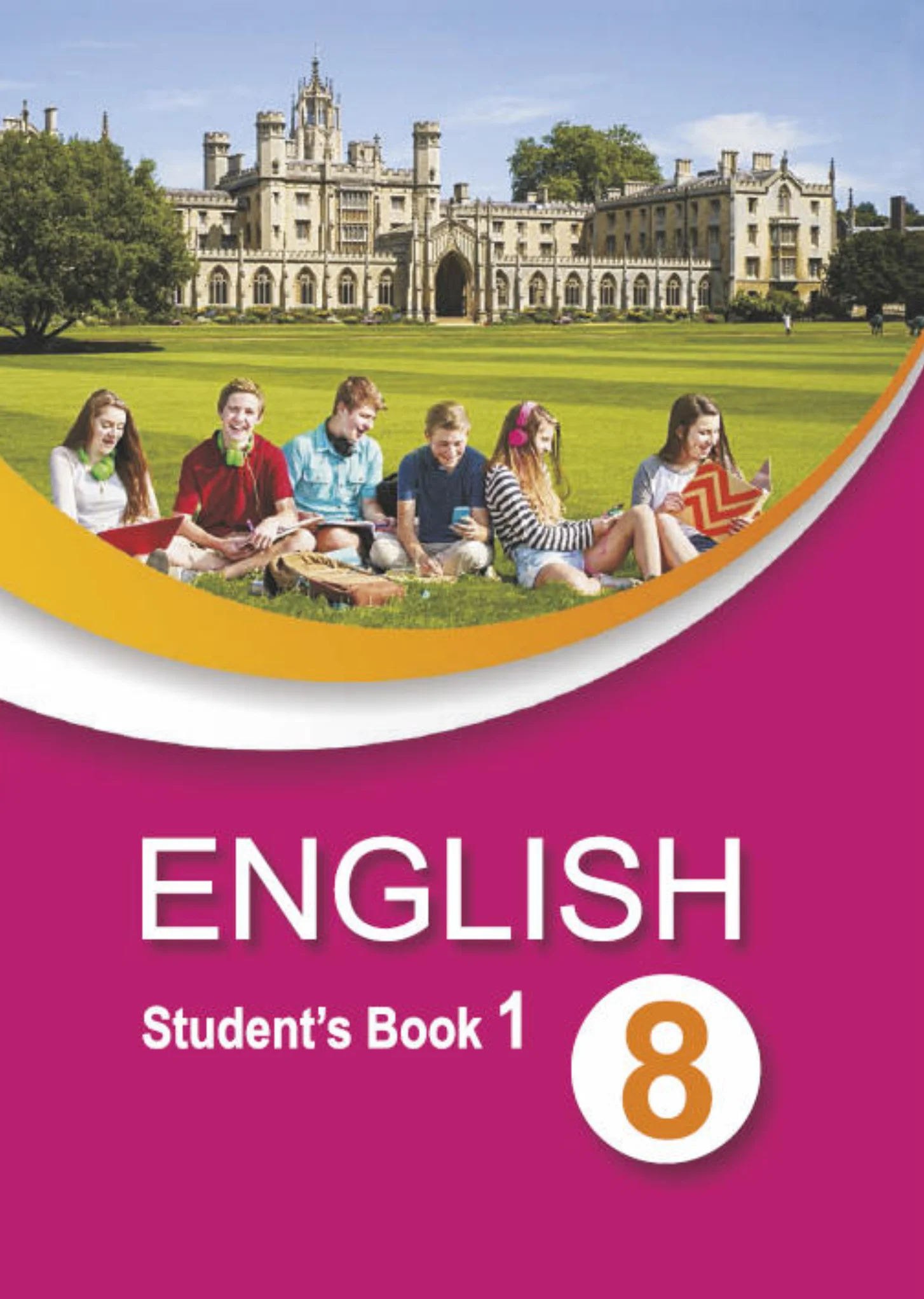
Авторы: Демченко Н. В., Севрюкова Т. Ю., Наумова Е. Г., Рыбалко О. Н., Манешина А. В., Маслёнченко Н. А., Бушуева Э. В.
Тип: Учебник
Издательство: Вышэйшая школа
Год издания: 2020 - 2026
Уровень обучения: повышенный
Часть: 1
Цвет обложки: розовый
ISBN: 978-985-06-3240-1 (ч. 1), 978-985-06-3242-5 (ч. 2), 978-985-06-3240-1 (общ.)
Допущено Министерством образования Республики Беларусь
Популярные ГДЗ в 8 классе








Часть 1. Unit 4. Holidays and celebrations. Lesson 8. Merry Xmas! - номер 3, страница 150.
 №2
№2
№3 (с. 150)
Условие. №3 (с. 150)
скриншот условия


3. a. Read about Christmas in Belarus and check.
People in Belarus have had long winter holidays since ancient times. The two darkest weeks of the year were the time for Kalyady. With the adoption of the Christianity, Kalyady were integrated into Christmas. People belonging to the Orthodox Church celebrate Christmas on 7 January, while Catholics celebrate the holiday on 25 December. In towns and villages, Catholic and Orthodox churches often stood side by side. A family could celebrate Catholic Christmas on 25 December, and two weeks later join the celebration of their Orthodox friends or neighbours. Independent Belarus keeps this good tradition alive and both dates are public holidays.
During the Soviet time, people could not celebrate Christmas. Churchgoing, as well as Kalyady rituals, were forbidden. Moreover, Christmas trees were forbidden until 1935 when they turned into “New Year” trees. And Christmas was replaced by the non-religious New Year. It was no longer “Svyaty Mikalay” (Saint Nicolas) who was bringing presents to children, but “Dzed Maroz” (Father Frost). Now the traditional Christmas has come back, although New Year is still a bigger holiday.
Nevertheless, many of the old customs and traditions are still observed. In the past, setting the table was a big ceremony. The first to eat was kutsia – served with honey, nuts, and raisins. People in Belarus often start their holiday dinner with kutsia today. The dinner is served without meat and it consists of twelve dishes, including mushroom, fish, and vegetable dishes.
Another Belarusian tradition was “kalyadavyannie”, or singing carols. Nowadays on the second day of Kalyady (25 December or 7 January) groups of people of all ages walk from house to house wearing handmade costumes, carrying “kola” – the ancient Slavic symbol of the sun. The main character is dressed up like “Kaza”, a goat, a symbol of a happy family, wealth and good luck. They sing Kalyady songs – “kalyadki” and “shchadrouki”, wishing health to the family and a good harvest in the coming year. In return, they receive sweets or some money.
Kaza
For Belarusians, Kalyady is a great time to visit their grandparents in the village, create perfect family moments, and enjoy the beautiful folk traditions. There’s definitely something about this magical season that makes us wish it was Christmas all year long.
Kola
b. Read the text again and explain:
1. how kutsia is made. 2. what traditional Christmas dinner in Belarus consists of. 3. how the New Year tree appeared. 4. who Svyaty Mikalay is. 5. what a wheel (kola) symbolises. 6. what happens during “kalyadavannie”. 7. what “shchadrouki” are. 8. why someone wears a goat costume during Kalyady.
Решение. №3 (с. 150)


Решение 2. №3 (с. 150)
Прочитайте текст еще раз и объясните:
1. как готовится кутья. 2. из чего состоит традиционный рождественский ужин в Беларуси. 3. как появилась новогодняя елка. 4. кто такой Святой Николай (Svyaty Mikalay). 5. что символизирует колесо (кола). 6. что происходит во время «колядования» (kalyadavannie). 7. что такое «щедровки» (shchadrouki). 8. почему кто-то надевает костюм козы во время Коляд.
Ответ:
1. Kutsia is served with honey, nuts, and raisins.
2. The traditional Christmas dinner is served without meat and consists of twelve dishes, including mushroom, fish, and vegetable dishes.
3. Christmas trees were forbidden until 1935 when they turned into “New Year” trees.
4. Svyaty Mikalay is Saint Nicolas.
5. A wheel (kola) is the ancient Slavic symbol of the sun.
6. During “kalyadavannie”, groups of people walk from house to house wearing costumes, carrying a “kola”, and singing songs, wishing health and a good harvest. In return, they receive sweets or some money.
7. “Shchadrouki” are Kalyady songs.
8. Someone wears a goat costume because a goat (“Kaza”) is a symbol of a happy family, wealth and good luck.
Перевод:
1. Кутью подают с медом, орехами и изюмом.
2. Традиционный рождественский ужин подается без мяса и состоит из двенадцати блюд, включая грибные, рыбные и овощные блюда.
3. Рождественские елки были запрещены до 1935 года, когда они превратились в «новогодние» елки.
4. Святой Николай (Svyaty Mikalay) — это Святой Николай.
5. Колесо (кола) — это древний славянский символ солнца.
6. Во время «колядования» группы людей ходят от дома к дому в костюмах, несут «колу» и поют песни, желая здоровья и хорошего урожая. В ответ они получают сладости или немного денег.
7. «Щедровки» — это колядные песни.
8. Костюм козы надевают потому, что коза («Каза») является символом счастливой семьи, богатства и удачи.
Другие задания:

Помогло решение? Оставьте отзыв в комментариях ниже.
Присоединяйтесь к Телеграм-группе @gdz_by_belarus
ПрисоединитьсяМы подготовили для вас ответ c подробным объяснением домашего задания по английскому языку за 8 класс, для упражнения номер 3 расположенного на странице 150 для 1-й части к учебнику 2020 года издания для учащихся школ и гимназий.
Теперь на нашем сайте ГДЗ.ТОП вы всегда легко и бесплатно найдёте условие с правильным ответом на вопрос «Как решить ДЗ» и «Как сделать» задание по английскому языку к упражнению №3 (с. 150), авторов: Демченко (Наталья Валентиновна), Севрюкова (Татьяна Юрьевна), Наумова (Елена Георгиевна), Рыбалко (О Н), Манешина (А В), Маслёнченко (Н А), Бушуева (Эдите Владиславовна), 1-й части повышенный уровень обучения учебного пособия издательства Вышэйшая школа.