 gdz.by


I. Reading, страница 39, часть 1 - гдз по английскому языку 11 класс учебник Демченко, Бушуева
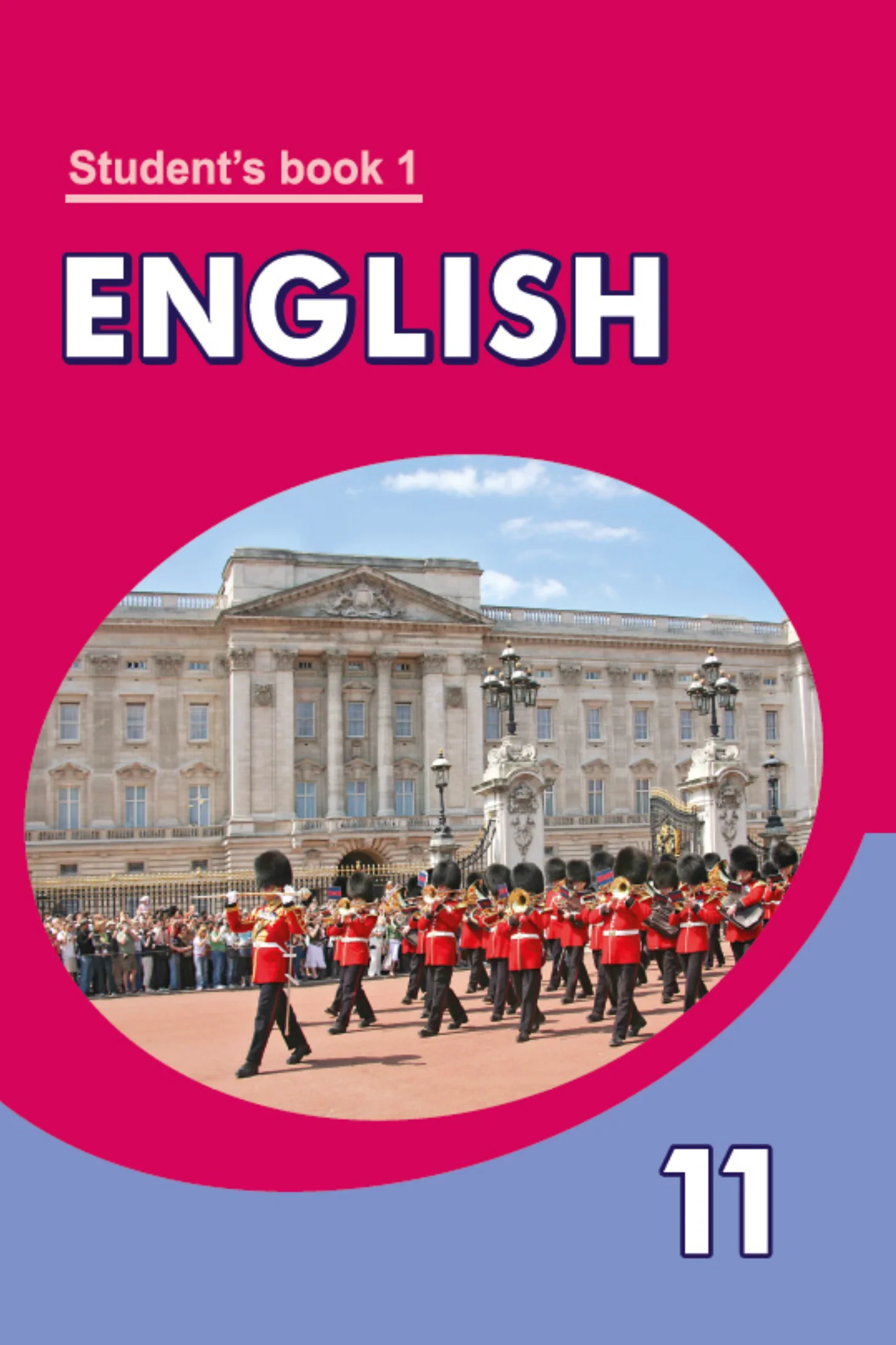
Авторы: Демченко Н. В., Бушуева Э. В., Севрюкова Т. Ю., Лапицкая Л. М., Романчук В. Р.
Тип: Student's book (Учебник)
Издательство: Вышэйшая школа
Год издания: 2022 - 2026
Часть: 1
Цвет обложки: розовый, синий
ISBN: 978-985-06-3439-9 (ч. 1), 978-985-06-3466-5 (ч. 2), 978-985-06-3438-2 (общ.)
Допущено Министерством образования Республики Беларусь
Популярные ГДЗ в 11 классе




Часть 1. Unit 1. Family matters. Lesson 12. Progress check - страница 39.
 №4
№4
I. Reading (с. 39)
Условие. I. Reading (с. 39)
скриншот условия


I. READING
1. Read the article and say in 2–3 sentences what it is about.
A survey of 2,000 UK families helps to identify what a typical British family looks like today. According to its report, the average family consists of 2.1 children and has one pet, with an average salary of £29,688. However, the definition of a family is always changing as our lifestyles and society evolve. Some of the factors that contribute to these changes include health, entertainment and living spaces. As a result, a “typical” family can look very different across different eras.
We know from the past that what a “normal” family might look like can vary a lot between centuries or even decades, which is why we wanted to examine the idea of whether families in 2050 will look very different from the families of today. We explored some of our research findings with futurologist Dr Ian Pearson.
It is expected that technology will see further rapid developments that take communication to new heights. Family members who live far away will have the option to be more involved in their lives back home. According to Dr Ian Pearson, instead of having to spend time and money on travel, the development of artificial reality will allow people to mimic realistic “physical” interaction with each other while they are in fact far away. This will bring family members closer, especially over festive seasons like Christmas.
Technological and financial developments have made it easier for many people to move to different countries. Back in 2001, just over 1% of the UK population identified themselves as mixed or were characterised as such by their parents. In 2009, the mixed-race population saw an increase of 50%. According to the predictions made by the Organisation for Economic Cooperation and Development, people of mixed origins could account for 8% of the British population by 2050. It would mean that multi-racial families will become more and more common.
With better access to healthcare, growing medical achievement and stable food sources, we are able to live longer than our ancestors. According to United Nations research, life expectancy was 72.6 years in 2019 and they expect it to reach 77.1 years by 2050. While an average family today usually consists of three generations, by 2050, longer life expectancy could mean that there will be more four-generation families.
The birth rate reached its lowest level in 2018 since records began in 1938, states the Office for National Statistics. It means that by 2050, there will be more than twice as many people above 65 as children under five. Common reasons for the birth rate to drop continuously include greater participation in higher education, delaying marriage and / or partnership formation, and wanting to have a longer working career before starting a family. If this trend continues, we can expect families in 2050 to have more grandparents than children in an average household.
Social and economic factors, such as decisions about marriage, divorce, further education, work, values and more, all play a part in impacting how a typical family structure might look in 30 years. While some of these observations were made based on previous years or decades and are subject to change, it is still interesting to explore how our families might be different by 2050. Let us know whether anything about this differs from your family and what you think about the predictions.
2. How might the change in communication influence the family in 2050? Read aloud the extract that describes it.
3. What kind of families will become more and more common in 2050 according to the article?
4. Why do they expect that there will be fewer children than grandparents in a typical family in 2050?
Решение 1. I. Reading (с. 39)


Решение 2. I. Reading (с. 39)


Решение 3. I. Reading (с. 39)
1. Прочитайте статью и в 2-3 предложениях скажите, о чем она.
Ответ: The article discusses the changing nature of the typical British family. It explores predictions for what families might look like in 2050, considering factors like technology, demographics, life expectancy, and declining birth rates.
Перевод: Статья обсуждает меняющуюся природу типичной британской семьи. В ней исследуются прогнозы о том, как могут выглядеть семьи в 2050 году, учитывая такие факторы, как технологии, демография, продолжительность жизни и снижение рождаемости.
2. Как изменение в коммуникации может повлиять на семью в 2050 году? Прочитайте вслух отрывок, который это описывает.
Ответ: It is expected that technology will see further rapid developments that take communication to new heights. Family members who live far away will have the option to be more involved in their lives back home. According to Dr Ian Pearson, instead of having to spend time and money on travel, the development of artificial reality will allow people to mimic realistic “physical” interaction with each other while they are in fact far away. This will bring family members closer, especially over festive seasons like Christmas.
Перевод: Ожидается, что технологии увидят дальнейшее быстрое развитие, которое поднимет коммуникацию на новую высоту. Члены семьи, живущие далеко, получат возможность больше участвовать в жизни своих родных. По словам доктора Яна Пирсона, вместо того чтобы тратить время и деньги на поездки, развитие искусственной реальности позволит людям имитировать реалистичное «физическое» взаимодействие друг с другом, находясь на самом деле далеко. Это сблизит членов семьи, особенно в праздничные сезоны, такие как Рождество.
3. Какие семьи станут все более и более распространенными в 2050 году согласно статье?
Ответ: According to the article, multi-racial families and four-generation families will become more and more common.
Перевод: Согласно статье, все более распространенными станут многонациональные семьи и семьи, состоящие из четырех поколений.
4. Почему ожидается, что в типичной семье в 2050 году будет меньше детей, чем бабушек и дедушек?
Ответ: This is expected due to a continuously dropping birth rate. Common reasons for this include greater participation in higher education, delaying marriage or partnership formation, and wanting to have a longer working career before starting a family.
Перевод: Это ожидается из-за постоянно падающего уровня рождаемости. Общие причины этого включают более активное участие в высшем образовании, откладывание вступления в брак или создания партнерства, а также желание иметь более длинную трудовую карьеру перед созданием семьи.
Другие задания:

Помогло решение? Оставьте отзыв в комментариях ниже.
Присоединяйтесь к Телеграм-группе @gdz_by_belarus
ПрисоединитьсяМы подготовили для вас ответ c подробным объяснением домашего задания по английскому языку за 11 класс, для упражнения I. Reading расположенного на странице 39 для 1-й части к Учебник (Student's book) 2022 года издания для учащихся школ и гимназий.
Теперь на нашем сайте ГДЗ.ТОП вы всегда легко и бесплатно найдёте условие с правильным ответом на вопрос «Как решить ДЗ» и «Как сделать» задание по английскому языку к упражнению I. Reading (с. 39), авторов: Демченко (Наталья Валентиновна), Бушуева (Эдите Владиславовна), Севрюкова (Татьяна Юрьевна), Лапицкая (Людмила Михайловна), Романчук (Вероника Романовна), 1-й части учебного пособия издательства Вышэйшая школа.