 gdz.by


Номер 13, страница 201 - гдз по испанскому языку 8 класс учебник Цыбулева, Пушкина
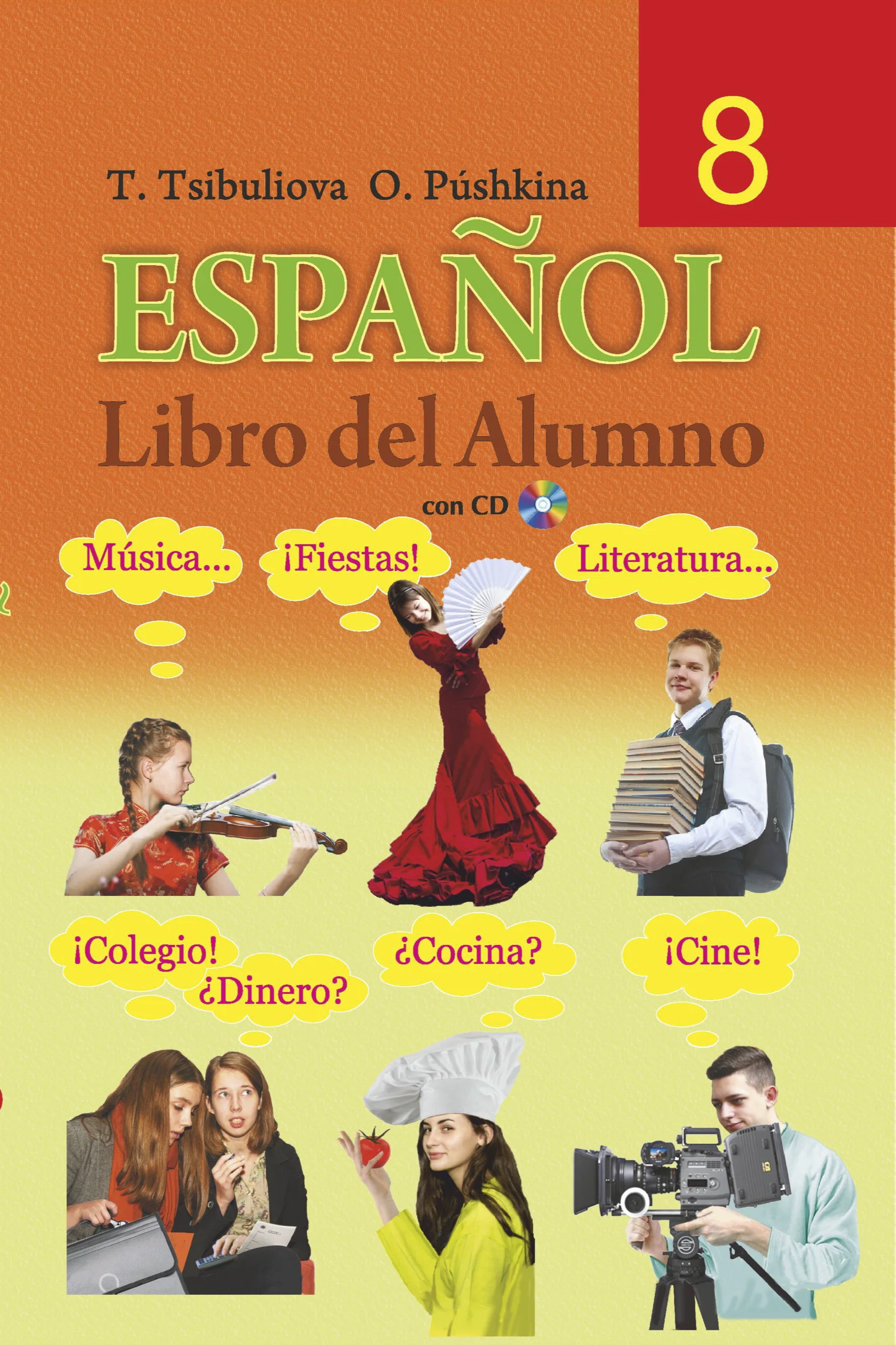
Авторы: Цыбулева Т. Э., Пушкина О. А.
Тип: Учебник
Издательство: Издательский центр БГУ
Год издания: 2016 - 2026
Цвет обложки: оранжевый
Допущено Министерством образования Республики Беларусь
Популярные ГДЗ в 8 классе












Gramática. Ejercicios стр. 197-202 - номер 13, страница 201.
 №12
№12
№13 (с. 201)
Условие. №13 (с. 201)
скриншот условия

13. Pon los infinitivos entre paréntesis en la forma adecuada.
1. Antes de que Francisco (barrer) el piso, Quique limpiará el polvo de los muebles.
2. Antes de que Irene (fregar) la vajilla, su hermano le ayudará a quitar la mesa.
3. Antes de que mamá (limpiar) los cristales, papá y yo quitaremos las cortinas.
4. En cuanto la ropa (secarse), la plancharé.
5. Tan pronto como tú (sacar) la basura, yo pondré la mesa.
6. Mientras tú (limpiar) la alfombra, yo lavaré la vajilla.
7. Mientras mamá (preparar) la comida, papá hará zumo de naranjas.
8. Comunícame en cuanto tú (lavar) la ropa.
9. En cuanto tú (pasar) la aspiradora, Ana fregará el piso.
10. Tan pronto como nosotros (regar) las plantas, podremos ir a pasear.
Решение. №13 (с. 201)

Решение 2. №13 (с. 201)
`, ``, ``. * No `div` or `span`. * Use `` for the task number and sub-item numbers. * Only use inline elements inside `
`. * If there's a table, use ``. (There is no table here).2. **Process the image content:** * The image contains a Spanish grammar exercise. * The instruction is: "13. Pon los infinitivos entre paréntesis en la forma adecuada." (13. Put the infinitives in parentheses in the correct form.) * The sentences require conjugating the verbs in parentheses, mostly in the subjunctive mood (present subjunctive) because of the time conjunctions like "antes de que", "en cuanto", "tan pronto como", and "mientras". These conjunctions, when referring to a future action, trigger the subjunctive.3. **Translate the question into Russian:** * "Pon los infinitivos entre paréntesis en la forma adecuada." * Translation: "Поставьте инфинитивы в скобках в правильную форму."4. **Solve the exercise (conjugate the verbs):** * **1. Antes de que Francisco (barrer) el piso, Quique limpiará el polvo de los muebles.** * "Antes de que" requires the subjunctive. The subject is "Francisco" (él). * Present subjunctive of "barrer" for "él" is "barra". * Sentence: "Antes de que Francisco barra el piso, Quique limpiará el polvo de los muebles." * **2. Antes de que Irene (fregar) la vajilla, su hermano le ayudará a quitar la mesa.** * "Antes de que" requires the subjunctive. The subject is "Irene" (ella). * Present subjunctive of "fregar" (e>ie stem change) for "ella" is "friegue". * Sentence: "Antes de que Irene friegue la vajilla, su hermano le ayudará a quitar la mesa." * **3. Antes de que mamá (limpiar) los cristales, papá y yo quitaremos las cortinas.** * "Antes de que" requires the subjunctive. The subject is "mamá" (ella). * Present subjunctive of "limpiar" for "ella" is "limpie". * Sentence: "Antes de que mamá limpie los cristales, papá y yo quitaremos las cortinas." * **4. En cuanto la ropa (secarse), la plancharé.** * "En cuanto" + future action requires the subjunctive. The subject is "la ropa" (ella). * "secarse" -> present subjunctive of "secar" for "ella" is "seque". Add the reflexive pronoun "se". * Sentence: "En cuanto la ropa se seque, la plancharé." * **5. Tan pronto como tú (sacar) la basura, yo pondré la mesa.** * "Tan pronto como" + future action requires the subjunctive. The subject is "tú". * Present subjunctive of "sacar" (c>qu) for "tú" is "saques". * Sentence: "Tan pronto como tú saques la basura, yo pondré la mesa." * **6. Mientras tú (limpiar) la alfombra, yo lavaré la vajilla.** * "Mientras" can take subjunctive or indicative. When it means "while" (simultaneous actions), it usually takes indicative. However, some grammar resources say when it introduces a condition for a future action, subjunctive is also possible or even preferred. Let's look at the main clause: "yo lavaré la vajilla" (future). The action of cleaning the carpet is the timeframe/condition for washing the dishes. The indicative "limpias" would also be correct, meaning "While you are cleaning...". The subjunctive "limpies" emphasizes it as a future, hypothetical event. Given the pattern of the exercise (all others take subjunctive), subjunctive is the expected answer. * Present subjunctive of "limpiar" for "tú" is "limpies". * Sentence: "Mientras tú limpies la alfombra, yo lavaré la vajilla." * **7. Mientras mamá (preparar) la comida, papá hará zumo de naranjas.** * Same as above. Simultaneous future actions. Indicative "prepara" is very common, but subjunctive "prepare" is also possible and fits the exercise pattern. * Present subjunctive of "preparar" for "mamá" (ella) is "prepare". * Sentence: "Mientras mamá prepare la comida, papá hará zumo de naranjas." * **8. Comunícame en cuanto tú (lavar) la ropa.** * "en cuanto" + future action requires subjunctive. The verb in the main clause is imperative "Comunícame", which implies a future action. The subject is "tú". * Present subjunctive of "lavar" for "tú" is "laves". * Sentence: "Comunícame en cuanto tú laves la ropa." * **9. En cuanto tú (pasar) la aspiradora, Ana fregará el piso.** * "en cuanto" + future action requires subjunctive. The subject is "tú". * Present subjunctive of "pasar" for "tú" is "pases". * Sentence: "En cuanto tú pases la aspiradora, Ana fregará el piso." * **10. Tan pronto como nosotros (regar) las plantas, podremos ir a pasear.** * "Tan pronto como" + future action requires subjunctive. The subject is "nosotros". * Present subjunctive of "regar" (e>ie stem change) for "nosotros" is "reguemos" (no stem change in nosotros/vosotros). * Sentence: "Tan pronto como nosotros reguemos las plantas, podremos ir a pasear."5. **Translate the answer into Russian:** * 1. Прежде чем Франсиско подметет пол, Кике вытрет пыль с мебели. * 2. Прежде чем Ирене помоет посуду, ее брат поможет ей убрать со стола. * 3. Прежде чем мама помоет окна, папа и я снимем шторы. * 4. Как только одежда высохнет, я ее поглажу. * 5. Как только ты вынесешь мусор, я накрою на стол. * 6. Пока ты будешь чистить ковер, я помою посуду. * 7. Пока мама будет готовить еду, папа сделает апельсиновый сок. * 8. Сообщи мне, как только ты постираешь одежду. * 9. Как только ты пропылесосишь, Ана помоет пол. * 10. Как только мы польем растения, мы сможем пойти гулять.6. **Construct the final HTML:** * Start with the Russian translation of the question. * Add `Ответ:`. * Add the 10 Spanish sentences, with numbers in `` and conjugated verbs in ``. Each sentence in its own ` ` tag. * Add `Перевод:`. * Add the 10 Russian translations, with numbers in ``. Each sentence in its own ` ` tag. * Make sure to follow all formatting rules: `` content only, simple tags, no `div` or `span`.Let's double-check the HTML structure.` Перевод вопроса... Ответ: 1. ... barra ... 2. ... friegue ... 10. ... reguemos ... Перевод: 1. ... 2. ... 10. ... используй только строчные элементы." is a bit tricky. `` is an inline (строчный) element, so `1.` inside a ` ` is fine.The overall task is to provide the filled-in text from the exercise. I have done that.The formatting is specific, and I will follow it exactly. 13. Поставьте инфинитивы в скобках в правильную форму. Ответ: 1. Antes de que Francisco barra el piso, Quique limpiará el polvo de los muebles. 2. Antes de que Irene friegue la vajilla, su hermano le ayudará a quitar la mesa. 3. Antes de que mamá limpie los cristales, papá y yo quitaremos las cortinas. 4. En cuanto la ropa se seque, la plancharé. 5. Tan pronto como tú saques la basura, yo pondré la mesa. 6. Mientras tú limpies la alfombra, yo lavaré la vajilla. 7. Mientras mamá prepare la comida, papá hará zumo de naranjas. 8. Comunícame en cuanto tú laves la ropa. 9. En cuanto tú pases la aspiradora, Ana fregará el piso. 10. Tan pronto como nosotros reguemos las plantas, podremos ir a pasear. Перевод: 1. Прежде чем Франсиско подметет пол, Кике вытрет пыль с мебели. 2. Прежде чем Ирене помоет посуду, ее брат поможет ей убрать со стола. 3. Прежде чем мама помоет окна, папа и я снимем шторы. 4. Как только одежда высохнет, я ее поглажу. 5. Как только ты вынесешь мусор, я накрою на стол. 6. Пока ты будешь чистить ковер, я помою посуду. 7. Пока мама будет готовить еду, папа сделает апельсиновый сок. 8. Сообщи мне, как только ты постираешь одежду. 9. Как только ты пропылесосишь, Ана помоет пол. 10. Как только мы польем растения, мы сможем пойти гулять.
Другие задания:

Помогло решение? Оставьте отзыв в комментариях ниже.
Присоединяйтесь к Телеграм-группе @gdz_by_belarus
ПрисоединитьсяМы подготовили для вас ответ c подробным объяснением домашего задания по испанскому языку за 8 класс, для упражнения номер 13 расположенного на странице 201 к учебнику 2016 года издания для учащихся школ и гимназий.
Теперь на нашем сайте ГДЗ.ТОП вы всегда легко и бесплатно найдёте условие с правильным ответом на вопрос «Как решить ДЗ» и «Как сделать» задание по испанскому языку к упражнению №13 (с. 201), авторов: Цыбулева (Татьяна Эдуардовна), Пушкина (Ольга Александровна), учебного пособия издательства Издательский центр БГУ.